
Natural Dog Coat Care: Simple Ways to Keep Your Dog’s Coat Healthy and Shine
When it comes to natural dog coat care, a holistic approach to maintaining your dog’s fur without synthetic chemicals or harsh treatments. Also known as chemical-free dog grooming, it’s about working with your dog’s biology, not against it. Most dogs don’t need fancy shampoos or weekly baths. In fact, too much washing strips away the natural oils that protect their skin and keep their coat shiny. Instead, the best natural dog coat care starts with the right brush, the right diet, and knowing when to leave things alone.
Dog brush, a tool used to remove loose hair, prevent mats, and spread natural oils across the coat. Also known as grooming brush, it’s one of the most underused tools in pet care. A slicker brush for long-haired breeds, a rubber curry comb for short coats, and a metal comb for checking tangles—these aren’t luxuries, they’re necessities. Brushing three times a week cuts down on shedding, reduces skin irritation, and lets you spot lumps, ticks, or dry patches early. And don’t skip the ears and paws. Many dog owners forget those areas, but that’s where mats and infections often start.
Dog shampoo, a cleaning product designed specifically for canine skin, which has a different pH than human skin. Also known as canine cleanser, it should be gentle, fragrance-free, and made with oatmeal, aloe, or coconut oil if you’re going natural. Avoid anything with sulfates, parabens, or artificial colors. Even some "organic" brands add hidden irritants. The truth? Many dogs do fine with just water and a good brush. If your dog smells a little off or has a greasy coat, a diluted apple cider vinegar rinse (one part vinegar to four parts water) can restore balance without stripping oils. It’s cheaper, safer, and works better than most store-bought sprays.
What you feed your dog has a direct impact on how their coat looks and feels. A diet rich in omega-3s—from fish oil, flaxseed, or fresh salmon—helps reduce flakiness and itching. Dogs on low-quality kibble often have dull, brittle coats, even if they’re brushed daily. That’s not a grooming problem. That’s a nutrition problem. You don’t need expensive supplements. Just switch to a food with real meat as the first ingredient and check for added fats. Your dog’s coat will thank you.
Seasons matter too. In winter, dry air can make coats brittle. In summer, saltwater and grass seeds cling to fur. A quick rinse after beach walks or hikes removes irritants before they cause problems. And don’t assume your dog needs a full bath every time they roll in mud. Often, a damp cloth and a good brush are all it takes.
There’s no one-size-fits-all routine. A Golden Retriever with a thick undercoat needs different care than a Poodle with curly hair or a Boxer with a short, smooth coat. But the core idea stays the same: less is more. Natural dog coat care isn’t about perfection—it’s about health. It’s about letting your dog be a dog, not a salon project.
Below, you’ll find real advice from owners and groomers who’ve tried everything—from DIY oatmeal baths to coconut oil treatments—and figured out what actually works. No fluff. No gimmicks. Just clear, practical steps to keep your dog’s coat looking and feeling its best, naturally.
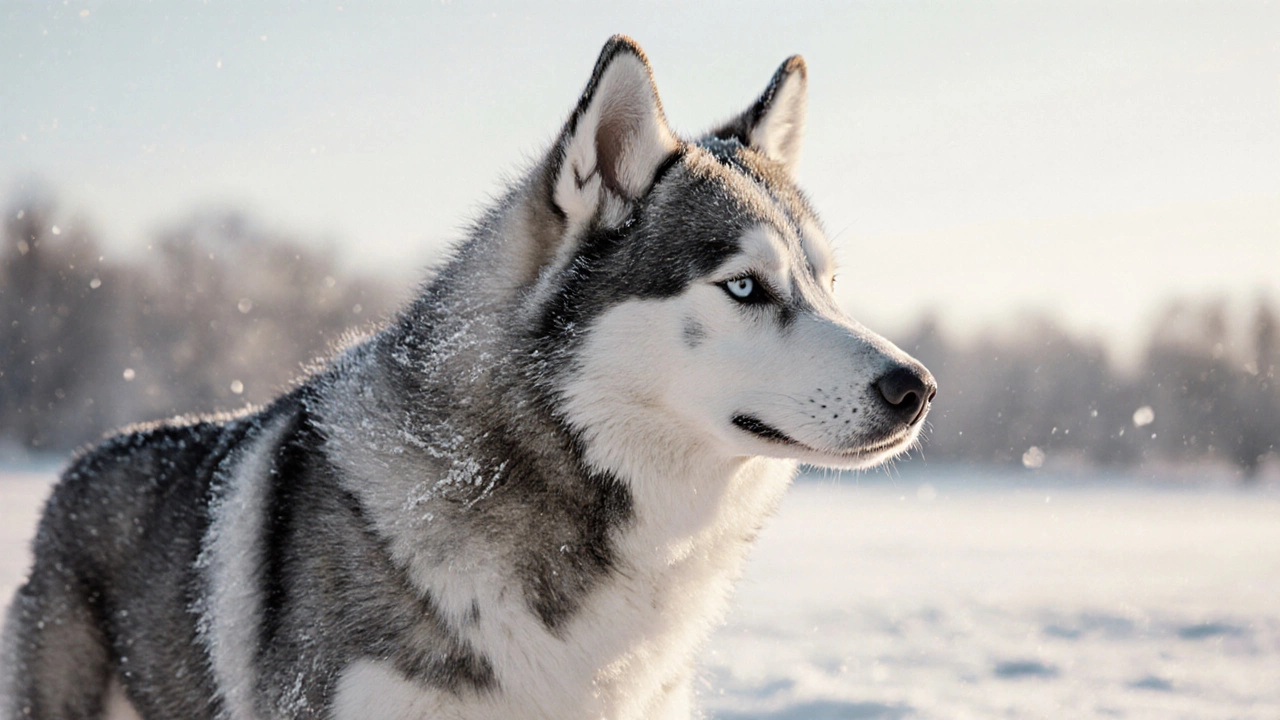 18 November 2025
- Morgan Ainsworth
- 0 Comments
What Dogs Should Not Get Haircuts? Essential Breeds to Avoid Trimming
Some dogs shouldn't get haircuts - shaving their coat can cause heatstroke, sunburn, and permanent fur damage. Learn which breeds to avoid trimming and what to do instead.
View More