
Humane Collars – The Safe Choice for Your Dog
If you’ve ever worried that a regular collar might hurt or get caught, you’re not alone. A humane collar is built to keep your dog comfortable and safe while still giving you control. These collars are made from soft materials, have quick‑release or breakaway mechanisms, and avoid harsh pressure that can damage a dog’s neck.
Why Choose a Humane Collar?
First off, safety is the biggest reason. A breakaway feature lets the collar snap open if it gets snagged on a fence or a branch, which can prevent choking or strangulation. That simple design means you can let your dog roam the garden or join a walk without constantly checking for tangled leashes.
Second, comfort matters. Many humane collars use padded leather, nylon, or breathable mesh. This reduces rubbing and skin irritation, especially for dogs with thin coats or sensitive skin. Your pup will be less likely to scratch at the collar and more likely to tolerate wearing an ID tag.
Third, a humane collar works well with training goals. If you’re looking for alternatives to shock or prong collars, a well‑fitted humane collar paired with positive‑reinforcement techniques can be just as effective. It gives you a reliable attachment point for a leash without the intimidation factor.
How to Pick the Right One
Start by measuring your dog’s neck. Place a ruler or a soft tape measure around the base of the neck, then add a couple of inches for a snug but not tight fit. Most humane collars have a size chart—choose the one that matches your measurement.
Look for a quick‑release buckle or a breakaway clasp. If you have a high‑energy dog that loves to explore, a breakaway collar is a smart move. For city dogs that stay close to home, a sturdy quick‑release buckle works fine.
Check the material. Nylon is lightweight and dries fast, perfect for rainy walks. Leather offers durability and a classic look, but it needs occasional conditioning. Mesh or padded fabrics are best for dogs with skin sensitivities.
Don’t forget the hardware. Stainless steel D‑rings and buckles resist rust and hold up to daily use. If you plan to attach a leash often, a strong D‑ring will keep the connection secure.
Finally, think about style. While safety comes first, a collar that looks good can make you feel proud. Many brands offer bright colors, reflective patches, or even engravable tags for easy identification.
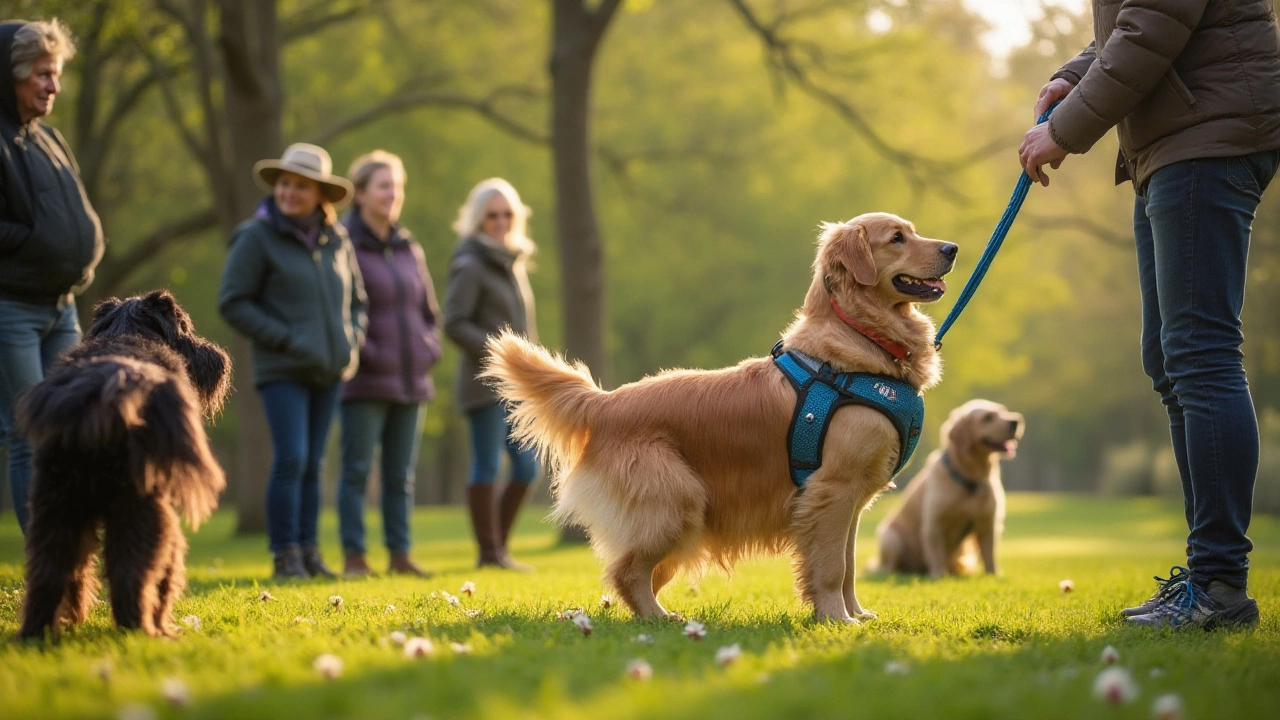
When you combine a humane collar with a comfortable harness, you get the best of both worlds. Some owners choose to wear both—collar for ID and legal reasons, harness for walking control. Just make sure the collar isn’t too tight under the harness.
Bottom line: a humane collar protects your dog, feels good on their neck, and works with modern training methods. Pick the right size, material, and release mechanism, and you’ll have a reliable piece of gear that keeps your pet safe on every adventure.
 30 November 2024
- Morgan Ainsworth
- 0 Comments
Best Alternatives to Prong Collars for Dogs
While prong collars have been traditionally used in dog training, they can pose discomfort and potential harm to our canine companions. This article explores kinder and more effective alternatives, such as harnesses and head collars, that prioritize the well-being of dogs while supporting effective training. Training should be both humane and efficient, and understanding the various collar options available helps pet owners make informed choices. We delve into each option, offering guidance on their best use and benefits.
View More