
How to Groom a Dog – Simple Steps for a Happy, Healthy Pup
When it comes to dog grooming, the process of cleaning, trimming, and caring for a dog's coat, skin, nails, and ears. Also known as grooming your dog, it keeps your canine comfortable and looking great.
One of the first things to decide is your grooming schedule, how often you bathe, brush, and trim based on breed, activity level, and coat condition. A regular schedule reduces matting, prevents skin problems, and makes each session quicker. How to groom a dog smoothly depends on matching the timing to the dog's coat type.
Speaking of coat, understanding coat type, whether your dog has double, single, wiry, or hairless fur, guides the tools you’ll need. Double‑coated breeds like Labradors benefit from a slicker brush to loosen the undercoat, while wiry types like Terriers need a stripping comb. Knowing the coat type lets you pick the right technique and avoid damaging the skin.
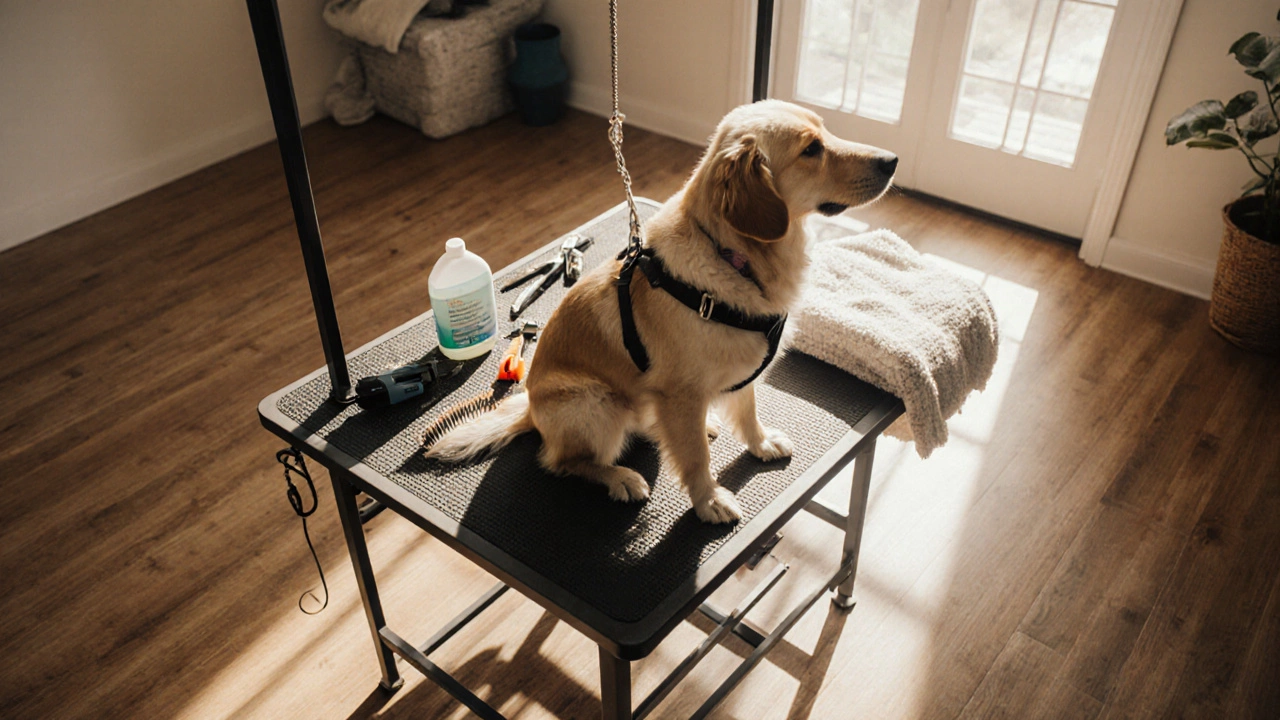
Next up are the grooming tools, brushes, combs, clippers, shampoos, and nail trimmers suited for your dog's specific needs. A good brush removes loose hair and distributes natural oils, a quality shampoo keeps the skin balanced, and a sturdy nail trimmer prevents over‑growth. Investing in proper tools makes each grooming session safer and more efficient.
Key Factors for Successful Grooming
Dog grooming encompasses coat care, nail trimming, ear cleaning, and dental hygiene. Each element supports overall health, so neglecting one can lead to problems elsewhere. For example, a dirty ear can cause infection, which may affect a dog's willingness to cooperate during brushing. Likewise, long nails can change your dog's gait, leading to joint stress.
Grooming also requires skill and patience. If you’re new, start with short, pleasant sessions and reward your dog with treats. Gradually increase the time as they get used to the routine. When you notice persistent matting, hair loss, or skin irritation, it’s time to consult a professional groomer. Professionals bring specialized equipment and experience that can address tough knots or breed‑specific cuts.
Choosing the right shampoo matters too. Look for formulas free of harsh chemicals, with ingredients like oatmeal or aloe that soothe the skin. Conditioners add slip, making brushing easier, especially for long‑haired breeds. After washing, towel‑dry or use a low‑heat dryer; high heat can dry out the skin and cause cracking.
Don’t forget nail care. Trim just enough to see the quick (the pink line inside the nail). If you catch the quick, it bleeds and hurts the dog. Use a nail grinder for a smoother finish, especially on small breeds where the quick is harder to see.
Ear cleaning should be gentle. Apply a dog‑safe ear cleaner on a cotton ball, wipe the outer ear, and avoid inserting anything deep into the canal. This simple step prevents wax buildup and infections that can cause itching and shaking.
Finally, keep an eye on your dog's behavior. A dog that suddenly resists grooming may be feeling pain or stress. Adjust your technique, use calming cues, or seek veterinary advice if the issue persists.
Below you’ll find a curated collection of articles that walk you through every aspect of grooming. From supplement timing to the science behind fresh dog scent, each post adds a piece to the puzzle of keeping your pup looking and feeling its best.
 16 October 2025
- Morgan Ainsworth
- 0 Comments
7 Essential Steps to Groom Your Dog at Home
Learn the 7 essential steps to safely groom your dog at home, from preparation and brushing to bathing, trimming, ear care, and nail clipping.
View More