
Grooming Steps: Simple Guide for Happy Dogs
Ever wonder why some dogs look fresh after a quick wash while others seem stressed? The trick is a clear step‑by‑step routine. Below is a no‑nonsense guide that works for all breeds, whether you’re at home or using a professional service.
Before You Start: Prep Your Kit
Grab a brush, comb, dog‑shampoo, towels, nail clippers, and a cotton ball for ears. Having everything within arm’s reach stops you from scrambling mid‑session and keeps your dog calm. Check the brush type – a slicker works best for most coats, while a bristle brush is gentler for short hair.
Step‑by‑Step Grooming Routine
1. Brush First – A quick brush removes loose hair and tangles. Start at the head and work toward the tail, using gentle strokes. If you hit a knot, tease it out with a comb before continuing. This step reduces matting and makes the bath easier.
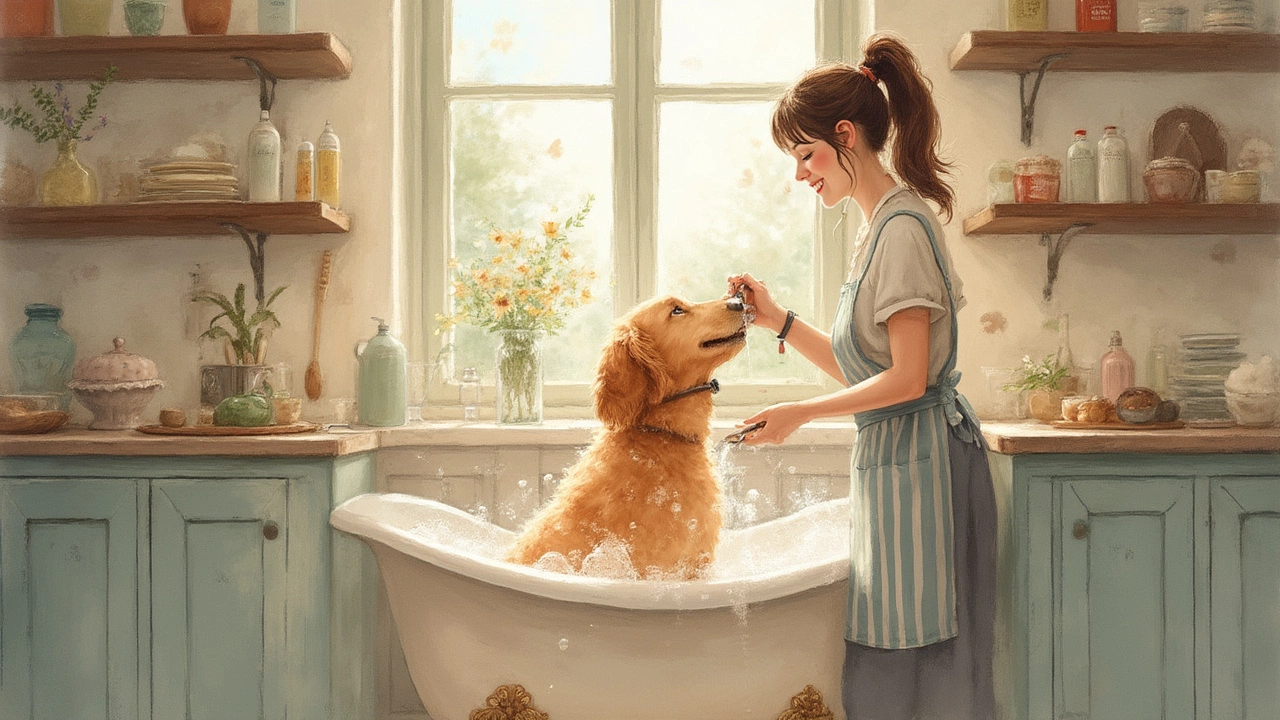
2. Bath Time – Fill a tub with lukewarm water, enough to reach the dog’s belly. Wet the coat, avoid the eyes and ears, then lather a dog‑specific shampoo. Human shampoos can strip natural oils and irritate skin. Rinse thoroughly – leftover soap can cause itching.
3. Dry Properly – Pat the dog with a towel first, then use a low‑heat dryer if the dog tolerates it. Keep the dryer moving to prevent hot spots. Some breeds, like double‑coated retrievers, benefit from a quick blow‑dry to fluff the undercoat.
4. Secondary Brush – After drying, brush again to smooth the coat and remove any remaining debris. This also helps distribute natural oils, giving the fur a healthy shine.
5. Nail Trimming – Check the nail length – you should see a pink quick inside lighter‑colored nails. If the quick is too close, trim only the tip. Use a calm voice and treat breaks with a small snack.
6. Ear Cleaning – Squeeze a few drops of ear cleaner into the canal, massage the base, then wipe with a cotton ball. Never push deep into the ear; just clean the visible part.
7. Final Check – Look over the whole body for missed spots, skin irritations, or ticks. A quick once‑over ensures you didn’t skip anything important.
Stick to this routine once a week for short‑haired dogs and twice a week for double‑coats. Adjust frequency based on your dog’s activity level – mud‑lovers may need more baths. Remember, patience beats speed. If your dog shows signs of stress, pause, give a treat, and resume when they’re calm.
By following these clear grooming steps, you’ll keep your dog looking great and feeling comfortable. A well‑groomed pet is a happy pet, and the routine becomes a bonding moment you both enjoy.
 29 July 2025
- Morgan Ainsworth
- 0 Comments
Should You Bathe Your Dog Before Grooming? Expert Groomer's Guide
Is it better to bathe your dog before grooming? Discover whether a clean pup makes the grooming process smoother, what expert groomers do, and tips for your next appointment.
View More