
Dog Sleeping Temperature: What’s Ideal for Your Dog’s Comfort and Health
When your dog curls up to sleep, their dog sleeping temperature, the ideal ambient warmth that lets a dog rest deeply without shivering or panting matters just as much as their bed. Dogs don’t regulate body heat like humans do. A pup’s normal body temperature runs between 101°F and 102.5°F, but that doesn’t mean they’re comfortable at human room temperature. What feels cozy to you might leave your dog chilly—or overheated—through the night.
The right dog sleeping temperature, the ideal ambient warmth that lets a dog rest deeply without shivering or panting depends on their size, coat, age, and health. Small breeds like Chihuahuas or Greyhounds lose heat fast and often need extra warmth—think 70°F to 75°F. Large, thick-coated dogs like Huskies or Newfoundlands? They’re fine at 65°F to 70°F. Puppies and senior dogs can’t adjust as well, so keep their space a few degrees warmer than you’d think. If your dog sleeps curled into a tight ball, they’re probably cold. If they’re sprawled out with paws sticking out, they’re trying to cool down.
Your dog bedding, the material and placement of a dog’s sleeping surface that affects heat retention and airflow plays a huge role too. A hard floor, even with a blanket, can steal body heat. Raised beds or memory foam help insulate from cold floors. In winter, avoid placing beds near drafty windows or air vents. In summer, make sure their spot gets airflow but not direct sunlight. A dog bed that’s too thick can trap heat and cause overheating, especially for short-nosed breeds like Bulldogs or Pugs.
And don’t forget dog body temperature, the internal core heat of a dog, which normally stays between 101°F and 102.5°F and signals health or distress when it deviates. If your dog is shivering, seeking heat under blankets, or whining at night, they’re too cold. If they’re panting, licking their lips, or avoiding their bed, they’re too hot. These aren’t just discomfort signs—they’re early warnings of stress or illness. A dog that sleeps too cold may get sick more often. One that’s too warm can develop skin issues or dehydration.
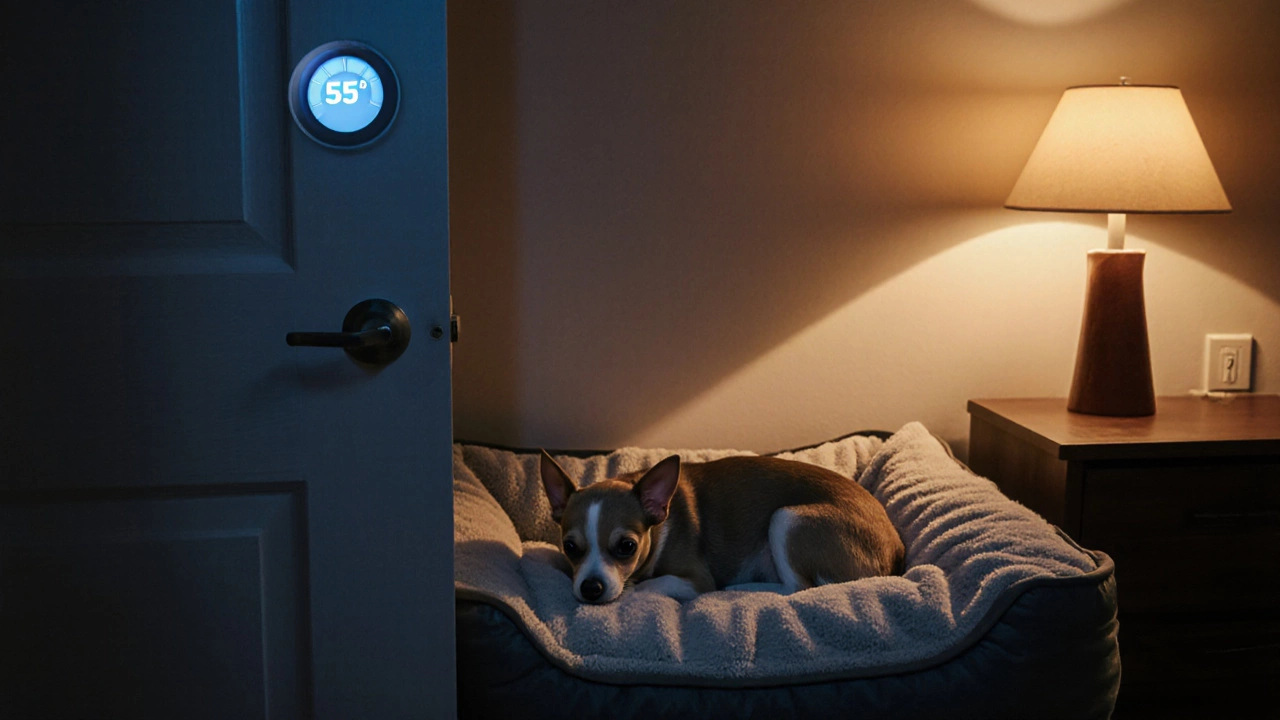
You don’t need fancy gear to get this right. A simple thermometer in your dog’s sleeping area helps. Watch how they behave—do they dig at their bed before lying down? That’s instinct. Are they stacking pillows? They’re building insulation. Are they avoiding the bed entirely? Something’s off. The goal isn’t perfection—it’s noticing what works for your dog, not what you assume they want.
Below, you’ll find real advice from owners and experts on how to set up the perfect sleep environment. From choosing the right bed to adjusting your thermostat for senior dogs, these posts give you the facts—not guesses—so your dog gets the rest they need to stay healthy, happy, and calm through every season.
 26 October 2025
- Morgan Ainsworth
- 0 Comments
Do Dogs Like to Sleep in Cold Rooms? - Understanding Canine Comfort
Explore whether dogs enjoy sleeping in cold rooms, the science of canine temperature regulation, and how to pick the right bed to keep them cozy.
View More