
Dog Meal Schedule: When and How to Feed Your Dog Right
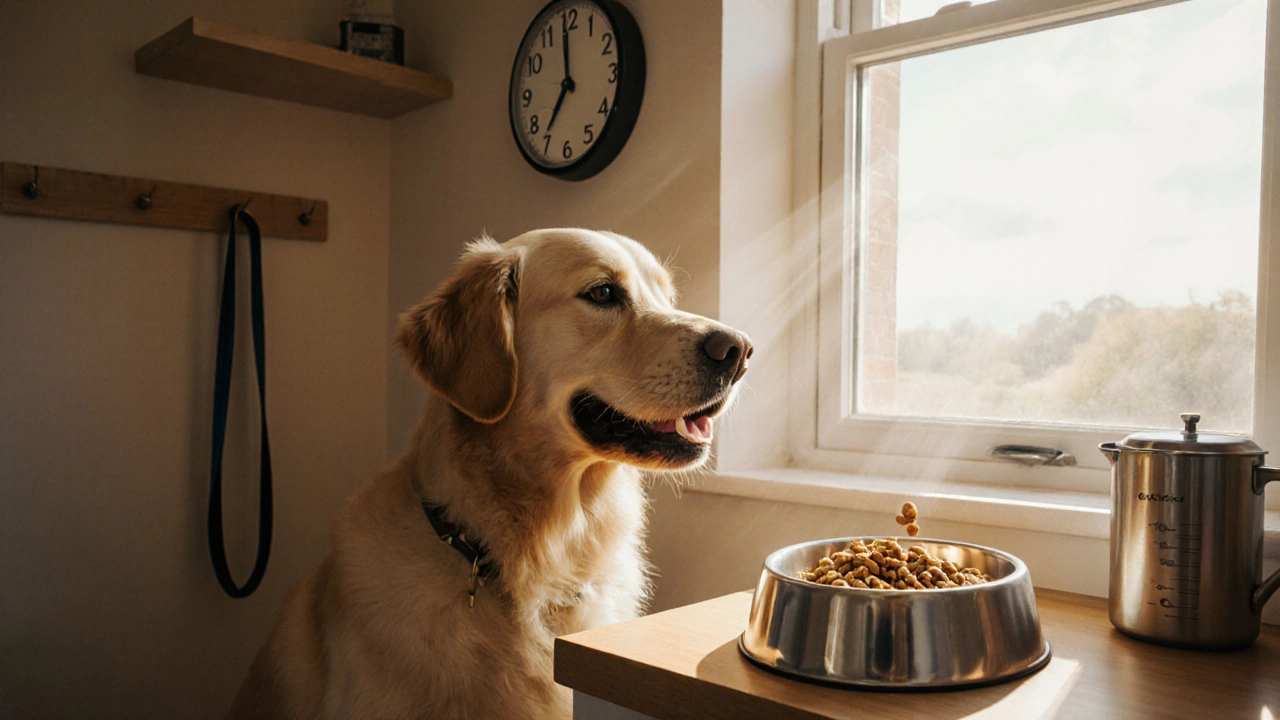
When it comes to your dog’s health, a solid dog meal schedule, a consistent routine for feeding your dog at set times each day. Also known as a feeding routine, it’s one of the simplest ways to keep your dog energized, digesting well, and behaving calmly. Skipping meals, free-feeding, or changing times randomly can throw off your dog’s internal clock—and lead to stomach upset, begging, or even weight gain.
A good dog meal schedule isn’t just about how much food you give—it’s about feeding times, puppy feeding schedule, and how those choices connect to your dog’s age, energy level, and health. Puppies under six months need three meals a day because their tiny stomachs can’t hold much and their bodies burn through energy fast. Adults usually do fine with two meals—morning and evening—while seniors might need smaller, more frequent meals if they have digestion issues. Timing matters too. Feeding right after a walk helps prevent bloat. Feeding too close to bedtime can mean midnight potty breaks. And feeding at the same time every day? That’s the secret sauce. Dogs thrive on predictability. They learn when to expect food, when to settle down, and when to expect attention.
It’s not just about the clock. Your dog’s dog nutrition ties directly to when they eat. A high-energy working dog needs fuel before activity. A lazy senior needs meals spaced to avoid sluggishness. And if your dog has a medical condition—diabetes, for example—meal timing isn’t optional, it’s medical protocol. Even if your dog seems fine eating whenever they want, sticking to a schedule helps you spot changes early. Missed meals? That’s a red flag. Overeating? That’s a sign something’s off. A clear dog meal schedule turns feeding time into a health check.
You’ll find real-world advice in the posts below—from how to adjust feeding times for puppies still learning house training, to what to do when your dog won’t eat at their usual hour, to how grooming and boarding services handle meals to keep dogs calm and healthy. Whether you’re new to dog ownership or just want to fine-tune your routine, the guides here give you practical, no-fluff answers based on what actually works for dogs and their owners in the UK.
 16 November 2025
- Morgan Ainsworth
- 0 Comments
Best Time to Feed a Dog: Morning or Evening?
Learn the best time to feed your dog-morning, evening, or both. Discover how meal timing affects digestion, behavior, and health, with practical tips for all dog types.
View More