
Dog Grooming Checklist
When working with dog grooming checklist, a step‑by‑step guide that helps owners keep their dog's coat clean, healthy and comfortable. Also known as grooming plan, it covers everything from brushing schedules to bath techniques and tool selection, you instantly see the biggest time‑saver for any pet parent. A good dog grooming checklist reduces skin problems, keeps shedding under control and makes vet visits smoother.
What Makes a Good Dog Grooming Checklist?
A solid grooming frequency, how often you brush, bathe and trim depends on your dog’s coat type, whether it’s a double coat, single, wiry or hairless. Double‑coated retrievers, for example, need a quick brush twice a week to prevent matting, while short‑haired breeds can get away with a brush every ten days. A dog grooming checklist encompasses grooming frequency, coat type, and tool selection, creating a clear roadmap that matches the dog’s specific needs.
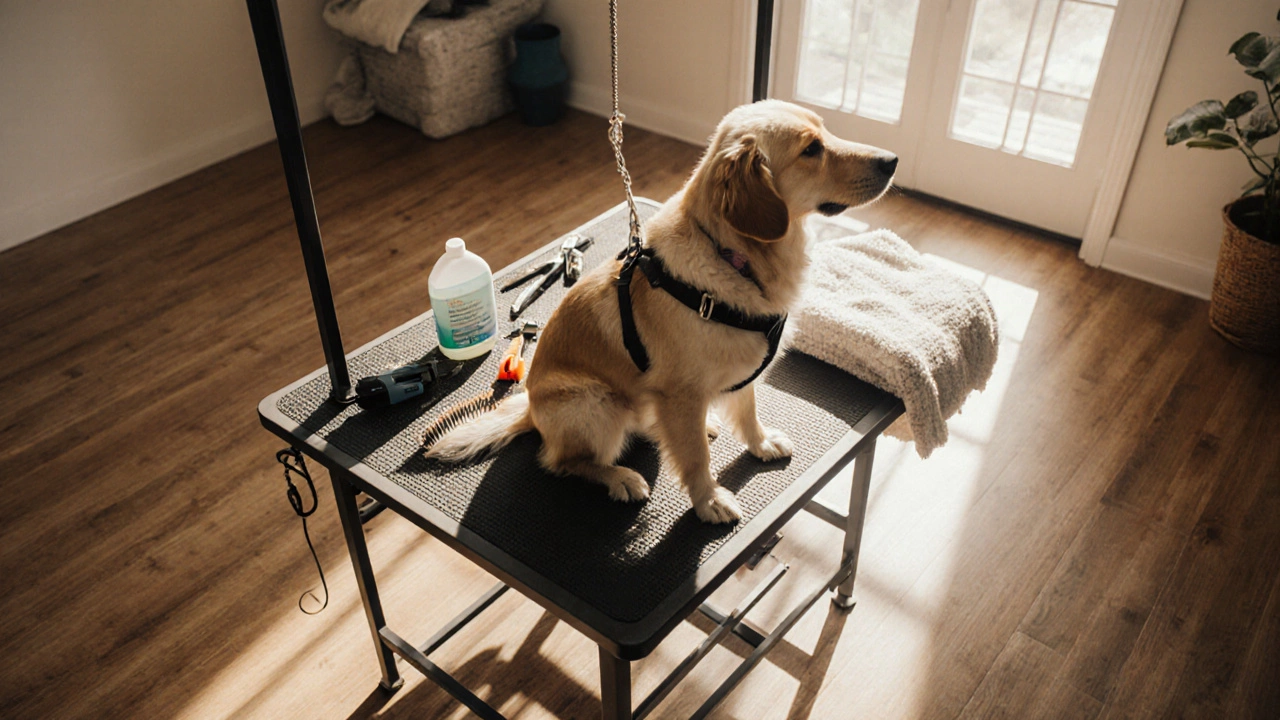
The right grooming tools, slicker brush, de‑shed glove, nail grinder and dog‑safe shampoo make the checklist easier to follow. Using a slicker brush on a wiry coat removes loose hair without damaging skin, whereas a de‑shed glove works best for double coats. Pairing the correct tool with the right product, such as a pH‑balanced shampoo for sensitive skin, prevents irritation and speeds up drying time. When the tools match the coat, the whole process feels smoother for both dog and owner.
Step‑by‑step, a thorough checklist includes: (1) pre‑brush inspection for ticks or wounds, (2) brushing in the direction of hair growth, (3) ear cleaning with a vet‑approved solution, (4) nail trimming or grinding, (5) bathing with a lukewarm rinse, (6) conditioning if the coat is prone to tangles, and (7) a final dry using a low‑heat dryer or towel pat‑down. Each step protects the skin, reduces shedding and leaves the coat looking glossy. Safety tips—like checking the temperature of water and avoiding human shampoo—are baked into the checklist, ensuring you never miss a critical detail.
Finally, customize the checklist for your dog’s age, activity level and breed. Puppies need softer brushes and more frequent ear checks, working dogs may require deeper cleaning after fieldwork, and senior dogs often benefit from a gentler shampoo and extra nail care. By adjusting the checklist, you create a flexible routine that grows with your pet, keeping coat care simple yet comprehensive. Below you’ll find articles that dive deeper into each part of the checklist—from frequency tables to tool reviews—so you can build the perfect grooming routine for your furry friend.
 16 October 2025
- Morgan Ainsworth
- 0 Comments
7 Essential Steps to Groom Your Dog at Home
Learn the 7 essential steps to safely groom your dog at home, from preparation and brushing to bathing, trimming, ear care, and nail clipping.
View More