
Cold Weather Dogs: Best Breeds and How to Keep Them Safe in Winter
When the temperature drops, not every dog is built for it. cold weather dogs, canine breeds with thick double coats, high body fat, and natural tolerance for freezing temperatures. Also known as winter-hardy dogs, these dogs are bred to work in snow, pull sleds, or hunt in freezing conditions. Think Siberian Huskies, Alaskan Malamutes, and Newfoundland dogs—they don’t just tolerate the cold, they seem to enjoy it. But even these tough breeds need protection when the wind bites or ice forms on their paws.
What makes a dog suited for cold weather isn’t just fur. It’s the double coat, a dense undercoat that traps heat and a longer outer coat that repels snow and moisture. Breeds like the Samoyed and Bernese Mountain Dog have this built-in insulation. Then there’s the body fat, a natural layer that acts like a thermal blanket, especially in larger, stockier breeds. Smaller dogs, short-haired breeds, or those with thin skin—like Greyhounds or Chihuahuas—can’t rely on nature. They need sweaters, booties, and limited outdoor time.
It’s not just about staying warm. Cold weather dogs face risks like frostbite on ears and paws, ice buildup between toes, and dry skin from winter air. Salt and antifreeze on sidewalks can poison them if they lick their paws. That’s why checking their feet after every walk matters. A quick rinse with warm water and a towel can prevent irritation and illness. And don’t assume that just because your dog is outside doesn’t mean they’re fine. Dogs can’t tell you they’re shivering. If their tail is tucked, they’re lifting paws off the ground, or they’re trying to get back inside fast, they’re too cold.
Even the toughest cold weather dogs need a dry, draft-free place to rest after being outside. A heated bed or thick rug in a quiet corner helps them recover. Puppies, seniors, and dogs with health issues like arthritis feel the cold more. Their needs aren’t the same as a 3-year-old Husky who’s used to running through snowdrifts. You don’t need to keep your dog indoors all winter—but you do need to read their signals and adjust.
What you’ll find in the posts below are real, practical tips from owners and professionals who live with these dogs every day. You’ll learn which breeds handle snow best, how to tell if your dog is struggling in the cold, what gear actually works, and how to keep their paws safe without spending a fortune. No fluff. Just what you need to keep your dog healthy, happy, and warm when the thermometer drops.
 26 October 2025
- Morgan Ainsworth
- 0 Comments
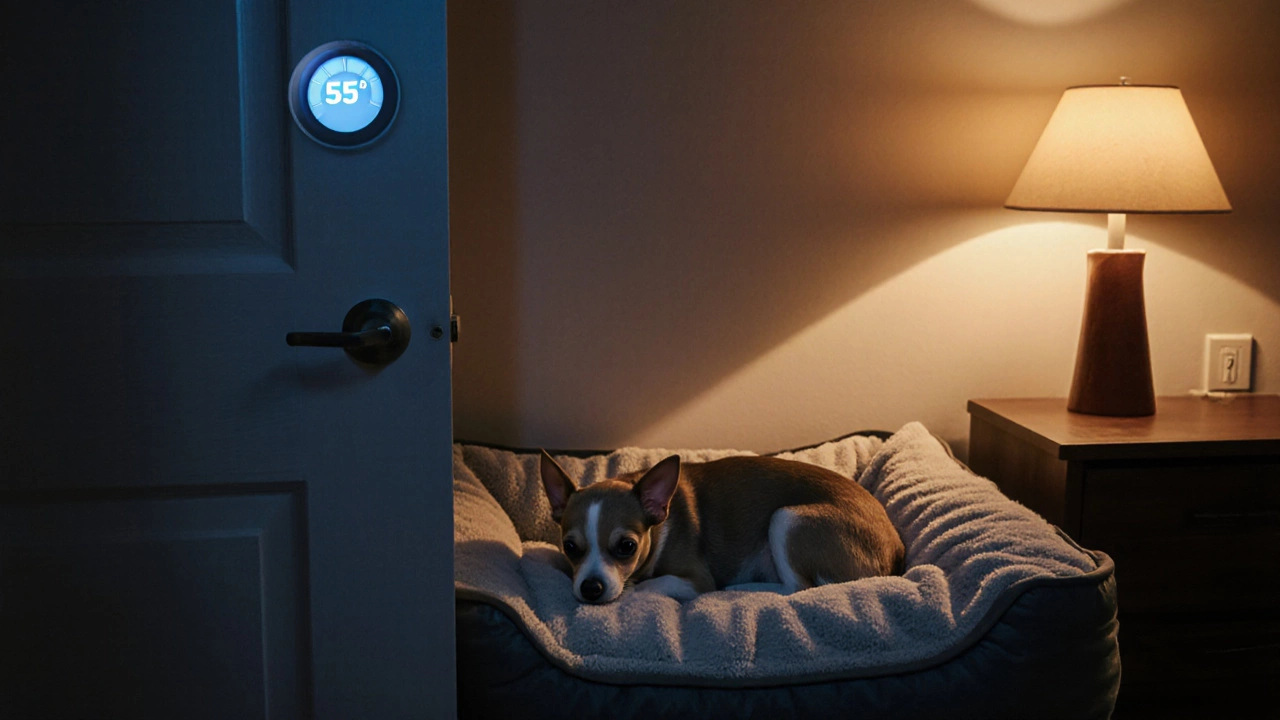
Do Dogs Like to Sleep in Cold Rooms? - Understanding Canine Comfort
Explore whether dogs enjoy sleeping in cold rooms, the science of canine temperature regulation, and how to pick the right bed to keep them cozy.
View More