
Best Dog Collars: What Every Dog Owner Should Know
Choosing a collar can feel overwhelming – there are colors, materials, and a mountain of buzzwords. The good news is you don’t need a PhD to pick the right one. All you need is a clear idea of what you want the collar to do and how it will fit your dog’s shape and lifestyle.
Fit and Safety First
The first rule is simple: a collar must fit snugly but not choke. Think of a shoe that slides on just enough to wiggle a toe. For most dogs, you should be able to slip two fingers under the strap. If the collar slides down to the chest, it’s too loose; if it pinches the skin, it’s too tight.
Check the material too. Nylon and leather are popular because they’re sturdy and easy to clean. Nylon is light and cheap, great for active dogs that love the water. Leather looks sharp and lasts years, but it needs conditioning to stay soft. Avoid cheap plastic that can break or cause sharp edges.
When to Use a Training Collar vs. a Harness
Many owners wonder whether a training collar or a harness is better for walks. Vets generally recommend a plain flat collar for everyday use – it’s comfortable and works with ID tags. If you need extra control, a gentle training collar (like a breakaway or split‑ring) can give you a little more leverage without hurting the neck.
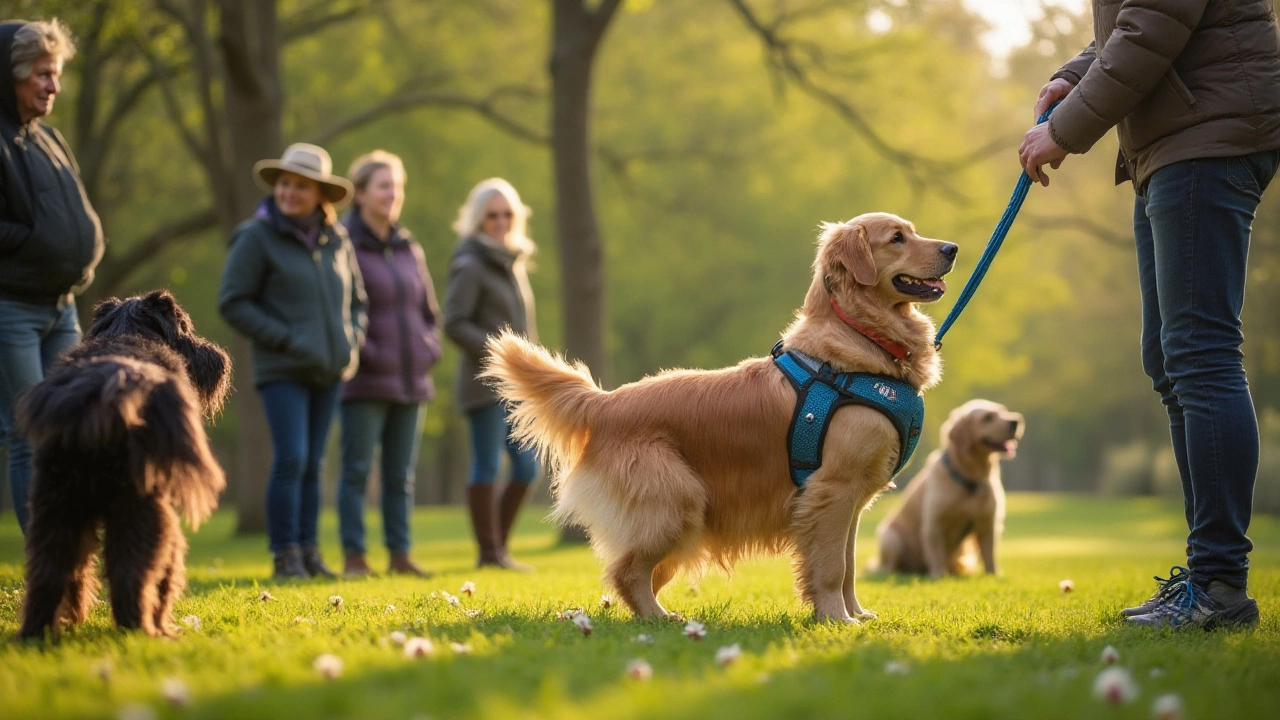
For dogs that pull hard or have neck problems, a harness is the safer bet. A well‑fitted front‑clip harness redirects pulling and protects the spine. Keep in mind that a harness doesn’t replace a collar – you still need a collar for tags and legal identification.
Some owners love a double‑setup: a lightweight collar for tags and a harness for walks. This combo gives you the best of both worlds without compromising safety.
Beyond the basics, think about your dog’s activity. A bright, reflective collar is a must for evening jogs. A waterproof collar works for hunting or water‑retrieving breeds. If your dog is a chew‑er, choose a collar with a sturdy metal ring that won’t snap under pressure.
Finally, keep an eye on wear and tear. A frayed strap or a cracked buckle can be dangerous. Replace the collar at the first sign of damage – it’s a small cost compared to an injury.
By focusing on fit, material, and purpose, you’ll pick a collar that keeps your dog safe, comfortable, and stylish. Give your pup a quick check before each walk, and you’ll avoid most problems before they start.
 30 November 2024
- Morgan Ainsworth
- 0 Comments
Best Alternatives to Prong Collars for Dogs
While prong collars have been traditionally used in dog training, they can pose discomfort and potential harm to our canine companions. This article explores kinder and more effective alternatives, such as harnesses and head collars, that prioritize the well-being of dogs while supporting effective training. Training should be both humane and efficient, and understanding the various collar options available helps pet owners make informed choices. We delve into each option, offering guidance on their best use and benefits.
View More