
Bark Control Collars: What Works, What Doesn’t, and What to Know Before You Buy
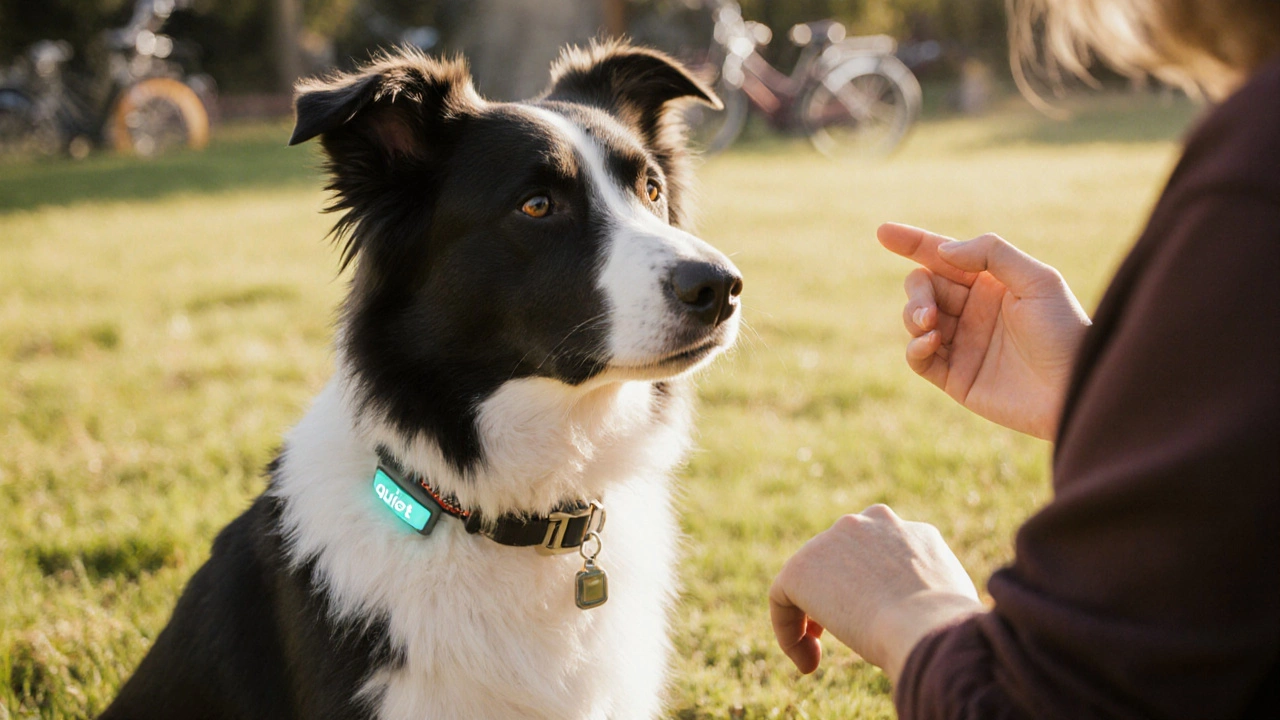
When your dog barks nonstop—whether at the mailman, the neighbor’s cat, or just because they’re bored—you might turn to a bark control collar, a device designed to reduce excessive barking through sound, vibration, or mild stimulation. Also known as anti-bark collar, it’s marketed as a quick fix for a frustrating habit. But before you snap one on, ask yourself: is this helping your dog, or just silencing them?
Bark control collars come in different types: some emit a high-pitched sound, others vibrate, and a few deliver a mild electric shock. They’re often sold as solutions for dogs that bark at strangers, during walks, or when left alone. But here’s the thing: barking isn’t a glitch to be fixed—it’s communication. A dog that barks constantly is usually signaling fear, anxiety, boredom, or lack of training. A collar that stops the sound doesn’t fix the cause. In fact, studies from the University of Pennsylvania’s School of Veterinary Medicine show that dogs wearing shock collars for barking often develop new stress behaviors, like hiding or becoming overly reactive. That’s not training. That’s suppression.
What you really need are dog training tools, methods and equipment used to guide behavior through positive reinforcement and consistency that teach your dog what to do instead of barking. Think of it like teaching a child to use their words—not covering their mouth. Tools like treat-dispensing toys, long-leash walks, and structured quiet-time training are far more effective long-term. Even better, they build trust. And if your dog barks when left alone, a collar won’t fix separation anxiety. You’ll need a plan, maybe even a professional. We’ve seen too many owners buy these devices hoping for magic, only to end up with a quieter—but more stressed—dog.
Some of the posts below cover what actually works when dealing with nuisance barking: how to read your dog’s body language before they bark, why certain breeds are more vocal by nature, and how to use positive reinforcement to teach a "quiet" command. You’ll also find advice on choosing safe, humane alternatives to shock collars, and when to call in a trainer instead of buying another gadget. There’s no one-size-fits-all fix, but there are smarter ways to handle it. What you’ll find here isn’t about silencing your dog. It’s about understanding them.
 5 November 2025
- Morgan Ainsworth
- 0 Comments
Do vibrating dog collars work? Here’s what actually happens when you use them
Vibrating dog collars can work for training-but only if used correctly. Learn how they function, when they help, and why they’re safer than shock collars. Real results from UK dog owners and science.
View More